





1. What is a CPB Wallet?
A CPB wallet is a digital gateway designed to facilitate the storage, management, and interaction of CPB tokens. As CPB operates primarily within the EVM (Ethereum Virtual Machine) ecosystem, it requires a wallet that is compatible with Ethereum-based standards. This ensures that users can seamlessly interact with smart contracts, decentralized exchanges, and various DeFi protocols that support the CPB asset.
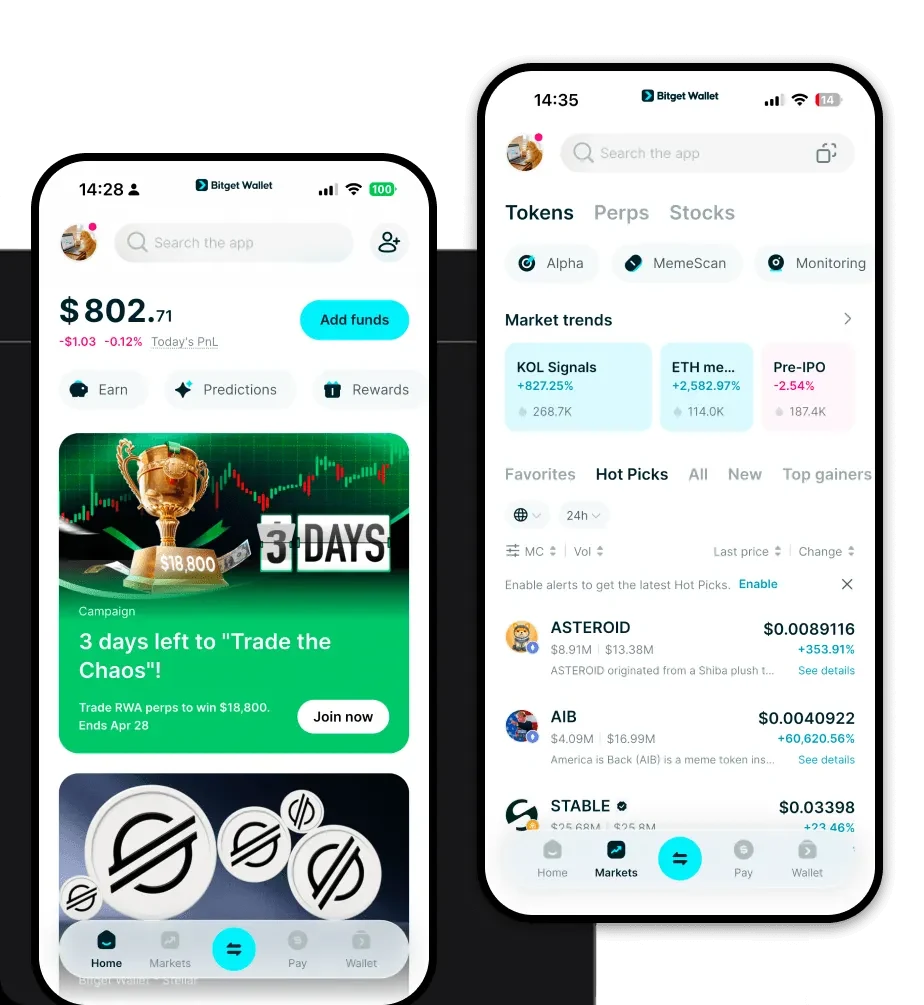
CPB is a digital asset that can be securely stored and managed using Bitget Wallet. Users can leverage Bitget Wallet to explore Web3 ecosystems and interact with various decentralized applications associated with the token.
2. Download Bitget CPB Wallet
To start managing your tokens, you need a robust, non-custodial solution. Bitget Wallet offers a comprehensive suite for your digital assets, ensuring you maintain full control over your private keys. Whether you are using a desktop computer or a mobile device, the experience remains consistent and secure.
Bitget Wallet is designed for convenience, offering cross-platform support including iOS, Android, and a powerful browser extension. By choosing to download Bitget Wallet, you gain access to a platform that supports over 130+ public chains, making it the ideal choice for multi-chain asset management. It is not just about storage; it is about having a self-custodial vault that connects you to the entire Web3 space instantly.
3. Why Choose Bitget CPB Wallet?
For CPB holders, selecting the right wallet is crucial for navigating the DeFi landscape effectively. Bitget Wallet stands out for several key reasons:
- EVM Compatibility: Built with native support for EVM chains, Bitget Wallet ensures smooth integration with CPB and other Ethereum-based assets, allowing for seamless contract interactions.
- Decentralized Liquidity Access: The wallet aggregates hundreds of DEXs, ensuring you get the best rates for your CPB trades without needing to navigate between multiple platforms.
- Robust Security Architecture: With over $300 million in user protection funds, Bitget Wallet provides a secure environment for asset custody, reducing the risks associated with online storage.
- Cross-Platform Accessibility: Manage your CPB portfolio on the go with mobile apps or via your browser extension, ensuring you never miss a market opportunity.
4. How to Create a CPB Wallet
Setting up your CPB wallet on Bitget is a straightforward process designed to get you into the ecosystem in minutes:
- Install the App: Visit the official Bitget Wallet website and download the application for your specific device (iOS, Android, or browser extension).
- Create a New Wallet: Open the app and select 'Create a New Wallet'. You will be asked to back up your mnemonic phrase; store this in a safe, offline location.
- Verify Mnemonic Phrase: Follow the prompts to confirm your seed phrase to ensure you have backed it up correctly.
- Add CPB Token: Navigate to the asset list, click 'Add Token', and search for CPB using its contract address to make it visible in your dashboard.
- Copy Your Address: Click on your CPB asset within the wallet to reveal your public receiving address, which you can now use to deposit funds.
5. What Can You Do With a CPB Wallet?
Holding CPB in a Bitget Wallet opens up a variety of DeFi opportunities. Here is how you can actively participate in the ecosystem:
- Trading: Use the built-in swap functionality to trade CPB for other digital assets instantly, leveraging aggregated liquidity to get the most efficient execution.
- Staking: Participate in network security and earn potential rewards by staking your CPB tokens through compatible decentralized protocols directly within the DApp browser.
- Providing Liquidity: Deposit your CPB into decentralized liquidity pools to help facilitate trading, which can often generate passive yield based on transaction fees.
- Decentralized Governance Voting: Use your CPB holdings to participate in governance proposals, allowing you to influence the future development of the project directly from your wallet interface.
6. How CPB Wallets Are Different from Other Crypto Wallets
Not all wallets are created equal, especially when dealing with EVM-based tokens like CPB. Unlike Bitcoin wallets that rely on the UTXO (Unspent Transaction Output) model, Bitget Wallet utilizes an account-based model, which is essential for the complexity of DeFi.
When you interact with CPB, you are dealing with smart contracts. Bitget Wallet is optimized to manage the gas fees associated with these transactions efficiently. Unlike basic storage wallets, Bitget provides real-time gas fee estimation and acceleration features, ensuring your transactions are processed at the right speed and cost. Furthermore, because CPB is an EVM asset, the wallet offers a superior experience compared to non-EVM wallets by providing direct access to the vast array of decentralized applications, lending protocols, and yield farms that power the CPB ecosystem.
