





What is a CPN Wallet?
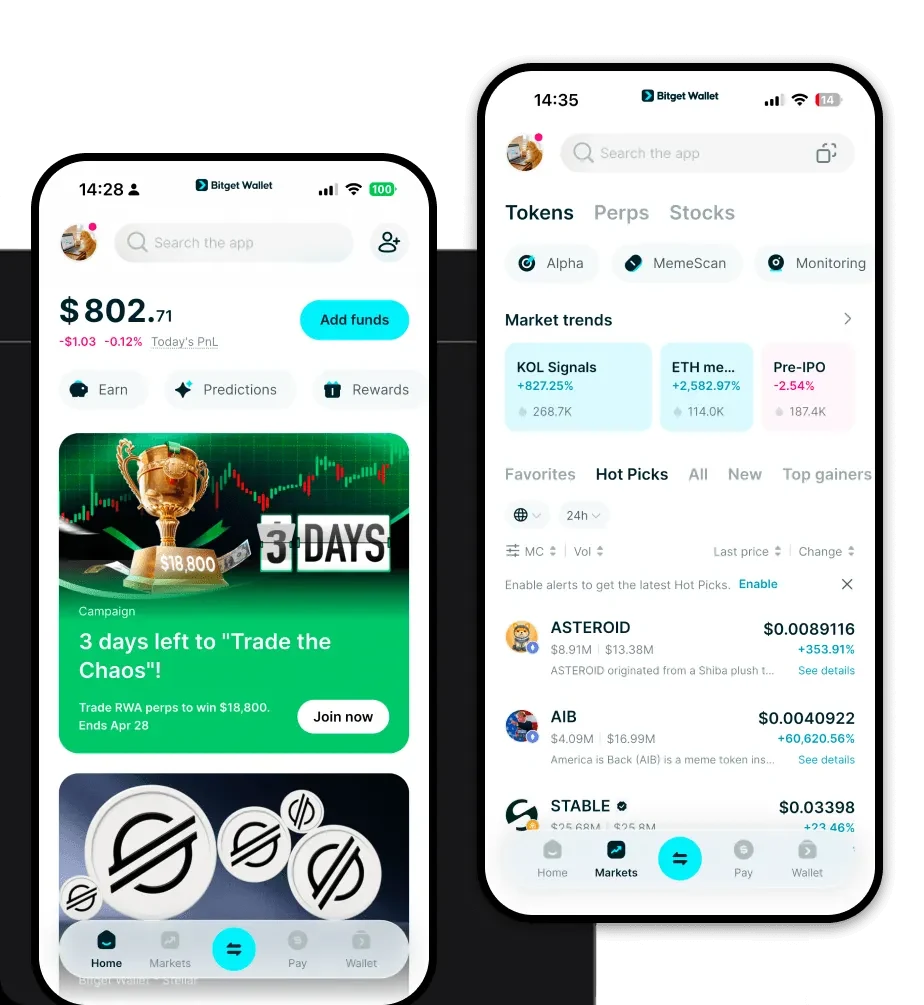
A CPN wallet is a digital interface that allows you to interact with the CPN token, which operates on the EVM (Ethereum Virtual Machine) blockchain. Because CPN is an EVM-based asset, your wallet serves as your gateway to the decentralized finance ecosystem, enabling you to hold, send, and receive tokens while interacting with smart contracts. CPN is supported by Bitget Wallet, a secure and reliable crypto wallet trusted by 40 million users, allowing for seamless Web3 exploration and asset management. By using a compatible wallet, you ensure that your assets are stored securely while maintaining full control over your private keys within the broader Ethereum-compatible network.
Download Bitget CPN Wallet
Getting started with your CPN assets requires a reliable and versatile tool. Bitget Wallet stands out by providing a comprehensive, non-custodial environment that puts you in complete control of your private keys. Whether you are an iOS user, an Android enthusiast, or someone who prefers managing assets through a browser extension, the platform offers a unified experience across all devices. With robust multi-chain support, you aren't limited to just one ecosystem; you can manage CPN alongside hundreds of other assets effortlessly. To begin your journey, you can download Bitget Wallet today to experience a secure, streamlined interface designed for the modern DeFi participant.
Why Choose Bitget CPN Wallet?
Choosing the right wallet for an EVM-based token like CPN is critical for navigating the complexities of DeFi. Bitget Wallet is engineered to optimize your experience within the EVM ecosystem:
- EVM Compatibility: Seamlessly integrate with the vast array of decentralized applications, DApps, and protocols that define the Ethereum-compatible landscape.
- Cross-chain Interoperability: Effortlessly move your CPN or other assets across different chains using built-in bridging technology, eliminating the friction of manual transfers.
- High Liquidity Support: Access deep liquidity pools directly through the wallet interface, ensuring that you can execute trades with minimal slippage.
- Decentralized Asset Custody: Maintain full sovereignty over your funds with non-custodial security, ensuring that no third party ever touches your assets.
- Secure Transaction Verification: Benefit from advanced transaction simulation and real-time risk monitoring that protects you against malicious smart contracts before you sign.
How to Create a CPN Wallet
- Download the Bitget Wallet application from the official website or your device's app store.
- Open the app and select 'Create a New Wallet' to generate a unique recovery phrase; remember to back this up securely.
- Set a strong, unique password to add an extra layer of protection to your local device access.
- Once the wallet is initialized, navigate to the asset management section and select the 'Add Token' feature.
- Search for CPN or input its contract address to import it into your dashboard, making your CPN balance instantly visible and ready for use.
What Can You Do With a CPN Wallet?
Owning a CPN wallet goes beyond just storing your tokens; it unlocks a wide range of DeFi capabilities:
- Token Swapping: Utilize the integrated DEX aggregator to exchange CPN for other assets at the best available market rates without leaving the app.
- Portfolio Management: Monitor your total net worth, tracking the performance of your CPN holdings and other DeFi assets in real-time through a unified dashboard.
- Liquidity Provision: Deposit your CPN into decentralized liquidity pools to earn trading fees and support the health of the ecosystem.
- Staking Participation: Lock your CPN into verified staking protocols directly through the wallet to earn passive yield and contribute to network security.
- Cross-chain Asset Transfers: Seamlessly bridge your CPN across different EVM-compatible chains to access opportunities in other DeFi ecosystems.
How CPN Wallets Are Different from Other Crypto Wallets
Not all wallets are built the same, especially when dealing with EVM tokens like CPN. Unlike wallets designed for UTXO-based chains (like Bitcoin), which focus on simple transactional privacy and unspent outputs, a CPN-compatible wallet is built around the account-based model. This means your wallet acts as a dynamic profile that interacts with smart contracts, allowing for complex DeFi functions like yield farming and automated swapping. Furthermore, because CPN relies on the EVM infrastructure, your wallet must be adept at handling gas fee estimations and network congestion management. While Bitcoin wallets prioritize cold storage security, a CPN wallet prioritizes agility and interoperability, enabling you to respond to market shifts and interact with liquidity protocols instantly, rather than waiting for slow block confirmations.
