





What is a PGN Wallet?
A PGN wallet is a digital interface designed to help you interact with the Public Goods Network (PGN). Public Goods Network (PGN) is an EVM-compatible Layer 2 network built on the OP Stack, designed to provide a low-cost, secure, and scalable environment for funding and supporting public goods projects on the Ethereum ecosystem. Because PGN operates on the Ethereum Virtual Machine (EVM) standard, your wallet needs to be capable of handling EVM-based transactions, gas fee management, and interaction with decentralized applications (dApps) specifically deployed on the PGN chain.
Download Bitget PGN Wallet
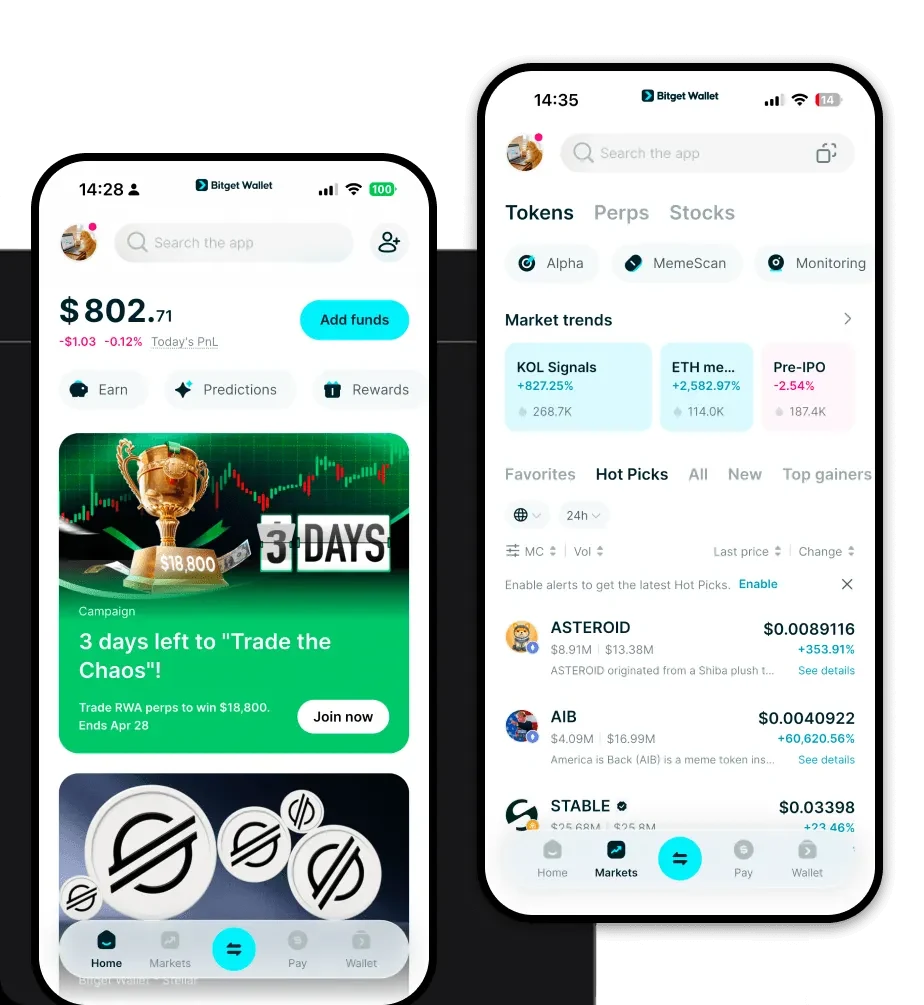
To start managing your assets, you need a reliable gateway. The Bitget Wallet is highly recommended for PGN users because it simplifies the complexities of Layer 2 interactions. Whether you are using an iPhone, an Android device, or a desktop browser, Bitget provides a seamless experience for your PGN wallet needs. It offers full support for multi-chain assets, ensuring you aren't just limited to one network. With Bitget’s self-custody model, you retain complete control over your private keys, meaning only you have access to your funds. You can download Bitget Wallet today to experience a secure, user-friendly interface that brings the entire Ethereum ecosystem to your fingertips.
Why Choose Bitget PGN Wallet?
- EVM Ecosystem Integration: As a native EVM-compatible wallet, Bitget ensures you can seamlessly interact with PGN and other Ethereum Layer 2s without complex configuration.
- Advanced Security Infrastructure: Bitget protects your assets with a massive $300 million protection fund, providing an extra layer of safety against unforeseen risks.
- Optimized Gas Management: The wallet provides real-time gas fee estimations, helping you execute transactions on the PGN network at the most cost-effective times.
- Seamless DApp Connectivity: With a built-in DApp browser, you can connect directly to PGN-based protocols and public goods funding platforms without leaving the app.
- Cross-Chain Efficiency: Bitget aggregates hundreds of DEXs and bridges, allowing you to swap assets into PGN or move them across chains with minimal friction.
How to Create a PGN Wallet
- Download and install the Bitget Wallet app from the official website or your mobile app store.
- Open the app and select 'Create a New Wallet' to generate a unique set of recovery phrases; be sure to write these down and keep them offline.
- Set a strong password for your wallet to secure local access to the application.
- Navigate to the 'Manage Tokens' or 'Add Network' section and ensure the PGN network is toggled on or added to your active list.
- Once configured, your PGN wallet address will be visible on the main dashboard, ready for you to receive or send assets.
What Can You Do With a PGN Wallet?
A PGN wallet is more than just a storage tool; it is your gateway to participating in the PGN ecosystem. You can engage in trading by swapping tokens on decentralized exchanges that support PGN, leveraging the network's low-fee environment. You may participate in staking activities to earn rewards by locking your assets into supported protocols. The wallet allows for cross-chain bridging, enabling you to move liquidity from Ethereum Mainnet or other L2s directly into PGN. Crucially, you can use your wallet for supporting public goods projects, which is the core mission of the network, by donating or funding initiatives directly on-chain. Finally, developers can use the wallet interface for smart contract deployment, facilitating the creation of new tools and infrastructure on the PGN layer.
How PGN Wallets Are Different from Other Crypto Wallets
Unlike wallets designed for UTXO-based chains (like Bitcoin), a PGN wallet is built on the account-based model common to all EVM chains. This means your wallet address functions like a bank account number where your balance is tracked as a state, rather than a collection of unspent outputs. Furthermore, while some chains require complex resource models (like CPU/NET/RAM on EOS), a PGN wallet focuses on the EVM standard of gas fees. Because PGN is a Layer 2 solution, the primary difference you will notice compared to a standard Ethereum wallet is the significantly lower transaction cost and faster confirmation times, making it more efficient for frequent, high-volume interactions.
