





What is a Reciprocal Wallet?
A Reciprocal wallet is a digital interface that allows you to store, manage, and interact with the Reciprocal token, which operates on the EVM (Ethereum Virtual Machine) blockchain. Because Reciprocal is built on an EVM-compatible network, it requires a wallet that can interpret smart contracts and interact with decentralized applications seamlessly. When you choose a wallet for this asset, you are essentially selecting a portal to the broader DeFi ecosystem.
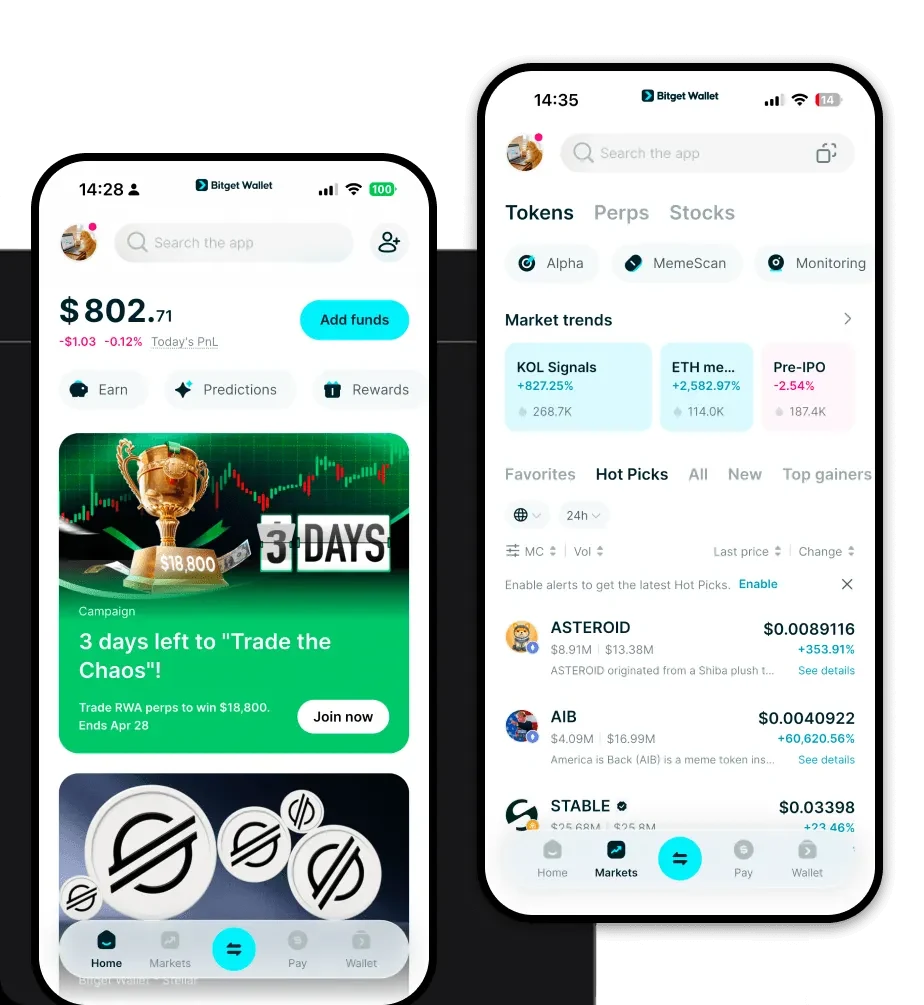
Are you looking for a reliable and secure crypto wallet for your RECIPROCAL? Bitget Wallet will be your best choice. Trusted by 40 million users, you can freely explore Web3 on Bitget Wallet. Start your journey now!
By using an EVM-based wallet, you ensure that your Reciprocal holdings are compatible with thousands of DApps, allowing for fluid interaction with decentralized finance protocols that drive the ecosystem.
Download Bitget Reciprocal Wallet
Getting started with your Reciprocal journey requires a robust tool that prioritizes self-custody and ease of use. Bitget Wallet provides a comprehensive solution that supports multi-chain asset management, ensuring that you are never locked into a single ecosystem. Whether you are an iOS user, an Android enthusiast, or a desktop power user who prefers browser extensions, the platform has you covered.
To begin, you can download Bitget Wallet directly from their official site. By opting for this application, you gain access to a non-custodial environment where you hold your own private keys. This is the cornerstone of crypto security, ensuring that you maintain full control over your Reciprocal tokens without relying on third-party exchanges.
Why Choose Bitget Reciprocal Wallet?
When dealing with EVM-based DeFi tokens like Reciprocal, the quality of your wallet determines the quality of your experience. Bitget Wallet is engineered specifically to handle the complexities of the DeFi landscape:
- EVM Compatibility: Designed specifically for the Ethereum Virtual Machine, ensuring that your wallet interacts perfectly with smart contracts and all major DeFi protocols.
- Advanced Liquidity Aggregation: The wallet automatically scans hundreds of DEXs to ensure you get the best possible price and slippage rates for your Reciprocal trades.
- Smart Gas Fee Management: It provides real-time gas estimation, helping you avoid overpaying during network congestion while ensuring your transactions are processed efficiently.
- Robust Security Architecture: With a 300 million USD user protection fund, Bitget provides an extra layer of security, safeguarding your assets against unforeseen protocol risks.
- Cross-Chain Interoperability: Easily bridge your assets across different chains, allowing you to move value fluidly without complex manual processes.
How to Create a Reciprocal Wallet
Setting up your new wallet is a straightforward process designed to get you into the DeFi space within minutes. Follow these five steps:
- Download and Install: Visit the official Bitget website to download the app suitable for your device (iOS, Android, or Browser Extension).
- Initialize Your Wallet: Open the app and select 'Create a New Wallet'. Follow the prompts to generate your recovery phrase.
- Secure Your Seed Phrase: This is the most critical step. Write down your 12 or 24-word recovery phrase on paper and store it offline; never share this with anyone.
- Configure Your Network: Since Reciprocal is an EVM token, ensure your wallet is set to the correct EVM-compatible network. Bitget typically adds these automatically.
- Receive Reciprocal: Navigate to the 'Assets' tab, select 'Receive', and copy your unique wallet address to send your Reciprocal tokens from an exchange or another wallet.
What Can You Do With a Reciprocal Wallet?
A Reciprocal wallet is not just for holding assets; it is a gateway to active participation in the DeFi economy. Here is how you can utilize your tokens:
- Staking: You can lock your Reciprocal tokens into verified staking contracts to earn passive rewards, helping secure the network while growing your holdings.
- Yield Farming: Participate in liquidity pools by depositing Reciprocal and other paired assets to earn transaction fees and protocol incentives.
- Liquidity Provision: Act as a market maker by providing liquidity to decentralized exchanges, ensuring that others can trade Reciprocal efficiently.
- Trading: Use the built-in decentralized exchange aggregator to swap Reciprocal for other tokens at optimal rates without leaving your wallet.
- Governance Voting: If the token has a DAO component, use your wallet to sign transactions that participate in decentralized governance voting, allowing you to have a say in the project's future.
How Reciprocal Wallets Are Different from Other Crypto Wallets
Not all crypto wallets are created equal, especially when comparing EVM-focused wallets like Bitget to others. Unlike Bitcoin wallets that utilize the UTXO (Unspent Transaction Output) model, a Reciprocal wallet uses the Account-based model. This means your wallet tracks a balance rather than individual inputs and outputs, which is essential for interacting with the complex logic of smart contracts.
Furthermore, while some wallets are simple storage solutions, a specialized Reciprocal wallet is optimized for the gas-based economy of EVM chains. It provides the necessary tools to estimate execution costs before you sign a transaction, preventing failed swaps and wasted fees. This is a significant advantage over basic wallets that lack the integrated DEX aggregation and DApp browser capabilities required for active DeFi participation.
